
How Vehicle History Reports Help You Avoid Expensive Problems
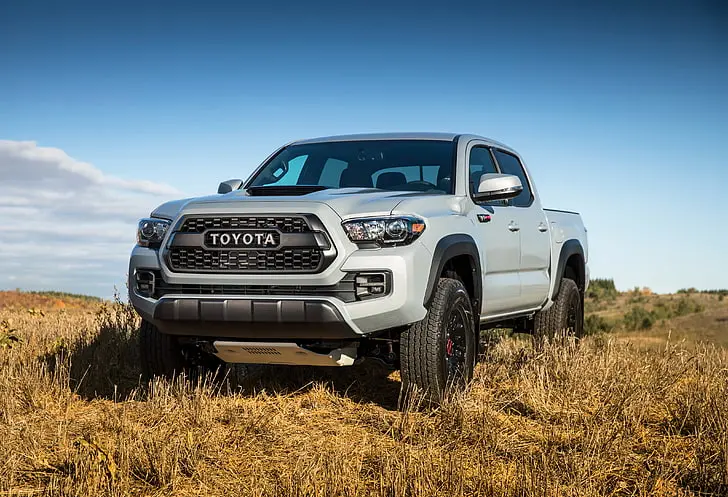
Buying a vehicle is a major financial decision, especially in the used car market. While a vehicle may appear clean and well-maintained on the surface, hidden issues can sometimes lead to expensive repairs, safety concerns, or long-term reliability problems. This is one reason why vehicle history reports have become such an important part of the car-buying process.
A vehicle history report provides valuable information about a car’s background, helping buyers make more informed decisions before completing a purchase. These reports can reveal accident history, title problems, maintenance records, ownership history, and other important details that may not be immediately visible during a test drive or inspection.
Understanding how vehicle history reports work can help drivers avoid costly mistakes and reduce the risk of unexpected problems after purchasing a vehicle.
What Is a Vehicle History Report?
A vehicle history report is a detailed document that compiles information about a vehicle using its Vehicle Identification Number (VIN). The report gathers data from insurance companies, repair facilities, dealerships, DMV records, auctions, and other automotive databases.
The purpose of the report is to provide transparency regarding the vehicle’s past condition and ownership history. Buyers can use this information to better evaluate whether a vehicle is worth purchasing and whether the asking price matches its history and condition.
Vehicle history reports are especially useful when shopping for pre-owned vehicles because they help uncover issues that may not be obvious during a visual inspection.
Accident History Can Reveal Hidden Damage
One of the most important parts of a vehicle history report is accident history. Even if a vehicle looks clean externally, previous accidents may still affect long-term reliability, structural integrity, or resale value.
Some accidents involve only minor cosmetic damage, while others may result in significant frame or mechanical repairs. A history report can help buyers understand the severity of past incidents and whether repairs were properly documented.
Vehicles with major accident history may experience ongoing alignment issues, uneven tire wear, electrical problems, or reduced structural safety. Understanding this history before purchase can help buyers avoid future repair costs and unexpected maintenance problems.
Title Problems Can Create Serious Risks
Vehicle title issues are another major concern that history reports can uncover. Certain title brands may significantly affect a vehicle’s value, insurability, and long-term reliability.
Some examples include salvage titles, rebuilt titles, flood damage titles, or lemon law buybacks. These designations usually indicate that the vehicle experienced serious damage or major mechanical issues at some point in its history.
Flood-damaged vehicles can be especially problematic because water damage may affect electrical systems, engine components, interior materials, and long-term reliability. These issues are not always immediately noticeable during a standard vehicle inspection.
A vehicle history report helps buyers identify these risks before making a financial commitment.
Ownership History Helps Evaluate Vehicle Use
Ownership history can provide useful insight into how a vehicle was used and maintained over time. A report may show how many owners the vehicle had, how long each owner kept it, and where the vehicle was registered.
Frequent ownership changes may sometimes indicate recurring mechanical issues or dissatisfaction with the vehicle. Long-term ownership, on the other hand, may suggest consistent care and maintenance.
The report may also reveal whether the vehicle was previously used as a rental car, commercial vehicle, or fleet vehicle. These types of vehicles may experience heavier use compared to privately owned vehicles.
Understanding previous usage can help buyers better evaluate overall wear and long-term reliability.
Maintenance Records Can Indicate Proper Care
Some vehicle history reports include service and maintenance records. These records can help buyers determine whether the vehicle received regular maintenance throughout its lifespan.
Routine oil changes, brake servicing, tire rotations, fluid replacements, and scheduled inspections often indicate responsible ownership. Vehicles with documented maintenance histories may provide stronger long-term reliability and fewer unexpected repair concerns.
Consistent maintenance can also help preserve resale value over time, making the vehicle a better long-term investment.
Mileage Verification Helps Prevent Fraud
Vehicle history reports may also help identify mileage inconsistencies or odometer fraud. Odometer rollback occurs when someone illegally alters the mileage reading to make the vehicle appear less used than it actually is.
Mileage discrepancies can affect vehicle value and reliability because buyers may unknowingly purchase vehicles with significantly more wear and tear than expected.
A history report compares mileage records from registrations, inspections, service visits, and ownership transfers to identify suspicious inconsistencies.
Reports Support Better Negotiation Decisions
Vehicle history reports can also help buyers negotiate more effectively. If the report reveals accident history, title issues, or inconsistent maintenance records, buyers may use that information to negotiate pricing or reconsider the purchase entirely.
On the other hand, vehicles with clean history reports and strong maintenance documentation may justify higher asking prices because they create greater buyer confidence.
Having access to accurate information helps buyers make decisions based on facts rather than assumptions.
Vehicle History Reports Are Still Only One Part of the Process
Although vehicle history reports are extremely valuable, they should not replace a professional inspection. Some issues may not appear on the report if repairs were never officially documented or reported to insurance companies.
Combining a vehicle history report with a professional mechanical inspection often provides the best protection when purchasing a used vehicle.
Dealerships like Clement Supercenter understand the importance of transparency in the car-buying process and help drivers explore vehicles with greater confidence through detailed vehicle information and quality pre-owned inventory.
Make Smarter Vehicle Buying Decisions
Vehicle history reports help buyers identify potential risks before they become expensive problems. Accident history, title issues, ownership records, service history, and mileage verification all provide important insight into a vehicle’s condition and long-term value.
Drivers searching for reliable pre-owned vehicles can explore inventory and vehicle purchasing options at Clement Supercenter. Reviewing vehicle history information alongside professional inspections can help buyers make more confident and informed decisions.


