
How Online Car Value Tools Determine a Vehicle’s Worth
Table of Contents
- The Information Online Car Value Tools Collect
- Market Demand Influences Vehicle Pricing
- Vehicle Condition Has a Major Impact
- Pricing Algorithms Compare Similar Vehicles
- Understanding Trade-In and Private Sale Values
- Why Estimates Differ Between Websites
- Vehicle History Reports Also Affect Value
- Online Estimates Are Only Starting Points
- Ready to Find Out What a Vehicle Is Worth?
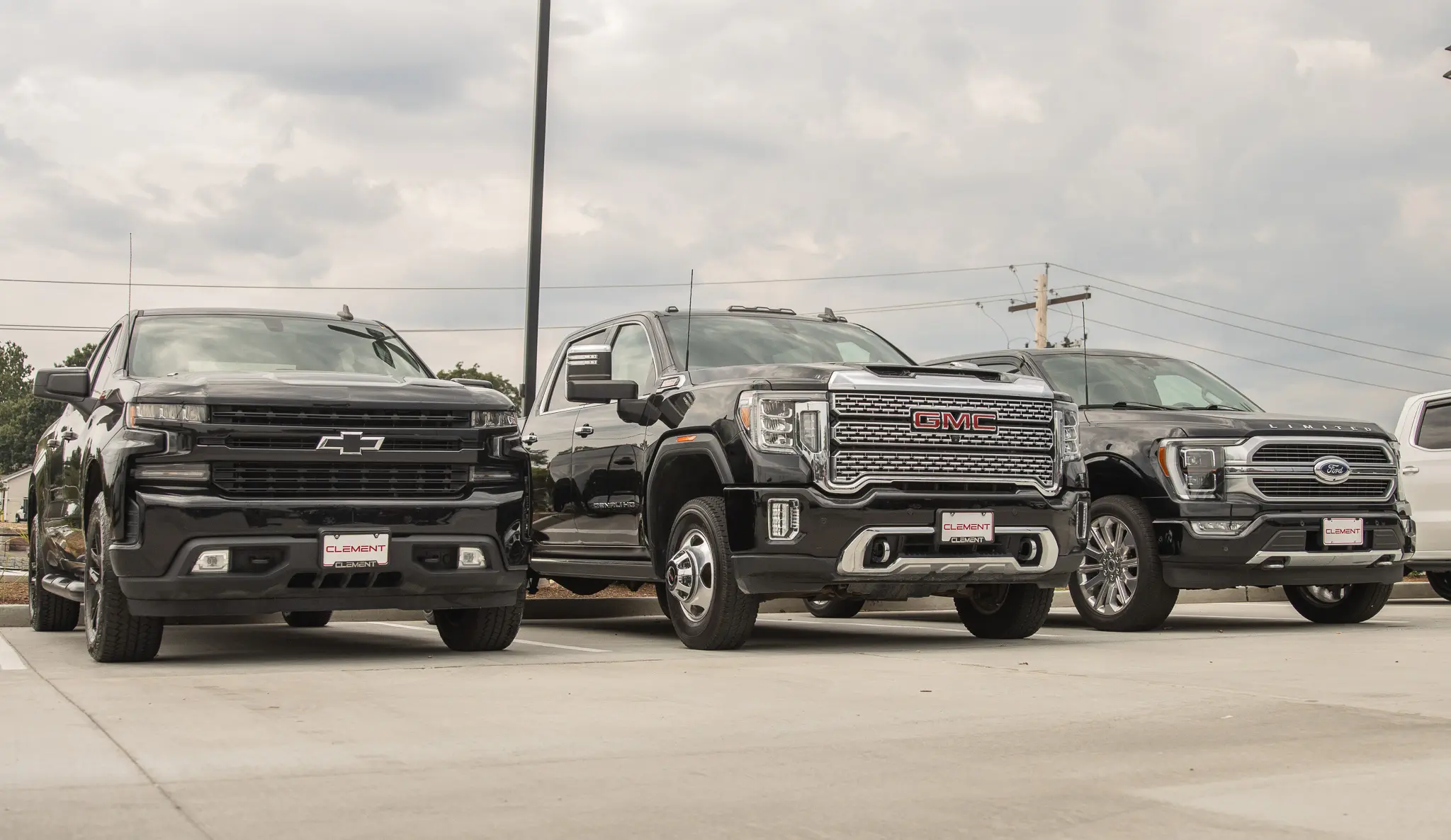
When drivers search for a vehicle’s value online, the number that appears is not generated randomly. Online car value tools use a combination of market data, vehicle details, pricing trends, and valuation algorithms to estimate how much a vehicle may currently be worth in the market.
Whether someone plans to trade in a vehicle, sell it privately, or simply understand its current market value, learning how these tools work can help create more realistic expectations and support smarter financial decisions.
The Information Online Car Value Tools Collect
Most online car value estimators begin by requesting basic vehicle information. This typically includes the year, make, model, trim level, mileage, condition, and location of the vehicle. Some platforms may also request information regarding accident history, optional features, and maintenance records.
Each detail directly affects the estimated value. Two identical vehicle models can receive very different estimates depending on mileage, ownership history, and overall condition. A vehicle with lower mileage and a clean history report will usually receive a stronger valuation compared to one with visible wear or accident records.
Mileage plays an especially important role because it helps estimate long-term wear and tear. Vehicles driven significantly above average annual mileage often lose value more quickly than similar models with fewer miles.
Market Demand Influences Vehicle Pricing
One of the largest factors affecting online vehicle valuations is current market demand. Certain vehicles consistently maintain strong resale value because buyers continue searching for them. Trucks, SUVs, and fuel-efficient vehicles often perform well depending on consumer trends and economic conditions.
Market conditions can also shift throughout the year. Fuel prices, inventory shortages, seasonal buying patterns, and interest rates may all impact how vehicles are priced.
For example, if a particular vehicle becomes highly desirable in a specific area, its estimated value may increase. On the other hand, vehicles with lower demand or higher maintenance costs may receive lower pricing estimates.
Vehicle Condition Has a Major Impact
Vehicle condition often affects resale value more than many drivers realize. Most online valuation platforms ask users to classify a vehicle as excellent, good, fair, or poor condition.
However, many vehicle owners unintentionally overestimate their vehicle’s condition. Small dents, faded paint, interior damage, worn tires, or mechanical issues can all reduce value during a professional appraisal.
A properly maintained vehicle with documented service history often performs better in the resale market because it provides buyers and dealerships with greater confidence. Consistent maintenance can help preserve long-term vehicle value over time.
At Clement Supercenter, vehicle trade-in evaluations often combine online market data with real-world vehicle condition assessments to provide more accurate pricing insights.
Pricing Algorithms Compare Similar Vehicles
Modern online car value tools rely heavily on databases containing recent vehicle sales and listings. These systems compare a vehicle against similar vehicles recently sold within nearby markets.
The algorithms may analyze dealership inventory, local listing prices, auction sales data, and regional demand trends to estimate value. This process helps generate pricing based on actual market activity rather than simple estimates.
If many similar vehicles are available locally, prices may become more competitive. If inventory is limited, vehicle values may increase because buyers have fewer available options.
Understanding Trade-In and Private Sale Values
Many online car valuation tools display multiple pricing estimates. These often include trade-in value, private sale value, and dealer retail value.
Trade-in values are generally lower because dealerships must account for inspection costs, detailing, repairs, reconditioning, and resale preparation before selling the vehicle again.
Private sale values are often higher because the transaction occurs directly between the seller and buyer. Dealer retail value reflects the potential price a dealership may list the vehicle for after preparing it for sale.
Understanding these differences can help vehicle owners set more realistic pricing expectations before negotiating.
Why Estimates Differ Between Websites
Drivers often notice that different websites provide different vehicle value estimates. This occurs because every platform uses unique pricing models, algorithms, and data sources.
Some tools focus more heavily on national pricing trends, while others emphasize local market conditions. Certain platforms rely more on dealer-focused wholesale pricing, while others prioritize consumer-facing market values.
Because of these differences, many vehicle owners compare multiple estimates before making decisions regarding trade-ins or private sales.
Vehicle History Reports Also Affect Value
Vehicle history reports can significantly influence resale pricing. Buyers and dealerships commonly review these reports to check for accident history, title problems, flood damage, ownership records, and maintenance history.
Vehicles with clean histories and documented maintenance records often inspire stronger buyer confidence. Even consistent routine maintenance can positively affect resale value over time.
Online Estimates Are Only Starting Points
Although online car value tools are useful, they should still be viewed as estimates rather than guaranteed offers. Final vehicle pricing may vary after an in-person inspection and market review.
Professional appraisals consider factors that online systems cannot fully evaluate, including paint quality, tire condition, interior cleanliness, mechanical performance, and aftermarket modifications.
For this reason, many vehicle owners use online estimators as a starting point before visiting a dealership for a full evaluation.
Dealerships like Clement Supercenter can help drivers better understand how local demand, vehicle condition, and market trends affect trade-in pricing, helping create a more transparent buying and selling process.
Ready to Find Out What a Vehicle Is Worth?
Understanding how online car value tools work can help drivers make more informed decisions when trading in, selling, or upgrading a vehicle. While online estimates provide a useful starting point, a professional appraisal can offer a more accurate understanding of current market value based on real vehicle condition and local demand.
Drivers looking for vehicle trade-in guidance or a professional appraisal can visit Clement Supercenter to explore available inventory, learn more about trade-in options, and receive expert assistance throughout the buying or selling process.


