
10 Signs Your Car Needs Professional Service
Modern automobiles are remarkable machines built to handle daily commutes, road trips, and tough driving conditions. However, every vehicle experiences wear and tear over time. Paying attention to subtle changes in how your car performs, sounds, or handles can mean the difference between a simple tune-up and an expensive mechanical repair.
Ignoring warning indicators often leads to larger mechanical failures and potential safety hazards on the road. Recognizing the early symptoms of vehicle distress allows you to address issues proactively. Here are ten clear signs that your car needs professional service.
1. The Check Engine Light Comes On
Your vehicle's dashboard is designed to communicate directly with you when something is amiss. While an illuminated warning light could indicate something as simple as a loose gas cap, it can also point to issues with your engine, emissions system, or internal sensors. If the light flashes continuously, it signals a severe issue that requires immediate attention. A professional diagnostic scan at a certified service center will identify the exact error code and pinpoint the underlying problem.
2. Strange or Unfamiliar Noises
Your car should operate relatively quietly. Unusual sounds are often the first indicator of mechanical wear. High-pitched squealing when applying the brakes usually points to worn brake pads, while a harsh metallic grinding sound means the pads are completely worn down and damaging the rotors. Squealing from under the hood can mean a loose or worn serpentine belt, and deep clunking or knocking noises over bumps usually indicate worn suspension components.
3. Persistent Fluid Leaks
If you notice spots or puddles under your parked vehicle, your car is leaking vital fluids. Bright red or dark brown fluid typically indicates a transmission leak, while dark brown or black fluid points to engine oil. Green, orange, or pink fluid with a sweet odor usually signals a coolant leak, and clear, slippery fluid may be power steering or brake fluid. Driving with low fluid levels can cause rapid component failure due to extreme heat and friction.
4. Vehicle Pulling to One Side
When driving on a straight, flat road, your car should maintain a straight line with minimal steering adjustments. If your vehicle consistently pulls or drifts toward the left or right, your wheel alignment is likely off. Poor alignment causes uneven tire wear, reduces fuel efficiency, and strains steering components. Professional alignment service restores balanced handling and extends the lifespan of your tires.
5. Unusual Vibrations or Shaking
A smooth ride is a key sign of a healthy vehicle. If you feel vibrations through the steering wheel, accelerator pedal, or seat, your car needs attention. Vibrations occurring at high speeds often point to unbalanced wheels or misaligned tires. If the shaking happens specifically when you step on the brakes, you may have warped brake rotors that require machining or replacement.
6. Spongy or Unresponsive Brakes
Your braking system is your primary safety feature. If the brake pedal feels soft, spongy, or sinks all the way to the floorboard when pressed, air may have entered the brake lines or your brake fluid level may be critically low. Reduced responsiveness means your car requires a longer distance to come to a complete stop, creating a serious safety hazard that demands immediate professional inspection.
7. Sluggish Acceleration or Loss of Power
If your car feels heavy, hesitates when you press the gas pedal, or struggles to accelerate up hills, the engine is not producing power efficiently. This loss of performance can stem from clogged fuel injectors, a dirty air filter, failing spark plugs, or a restricted exhaust system. Professional technicians can evaluate your fuel and ignition systems to restore optimal horsepower and fuel economy.
8. Excessive Exhaust Smoke
Exhaust output can tell you a lot about internal engine health. While light water vapor on cold mornings is completely normal, thick or colored smoke indicates an internal issue. Blue smoke means the engine is burning oil, which often points to worn valve seals or piston rings. Black smoke indicates an overly rich fuel mixture, and thick white smoke usually signals that coolant is leaking into the engine cylinders due to a blown head gasket.
9. Unpleasant Odors Inside or Outside the Cabin
Strange smells coming from your car should never be ignored. A sharp, acrid burning smell often indicates hot oil dripping onto engine parts or overheating transmission fluid. A sweet, syrupy scent inside the cabin points to a leaking heater core or coolant line. Musty smells coming from the air vents usually signal mold growth inside the air conditioning system, which requires cabin filter replacement and system cleaning.
10. Difficulty Starting the Engine
If your car cranks slowly, makes a clicking sound when you turn the key, or requires multiple attempts to start, your electrical system is struggling. These symptoms usually point to a weak battery, corroded battery terminals, or a failing starter motor. Having your battery and alternator tested during routine service prevents unexpected breakdowns and keeps your vehicle starting reliably every time.
Schedule Your Vehicle Service at Clement Supercenter
Catching vehicle issues early protects your wallet, keeps your car running efficiently, and ensures safety for you and your passengers. You do not have to figure out complex mechanical issues alone.
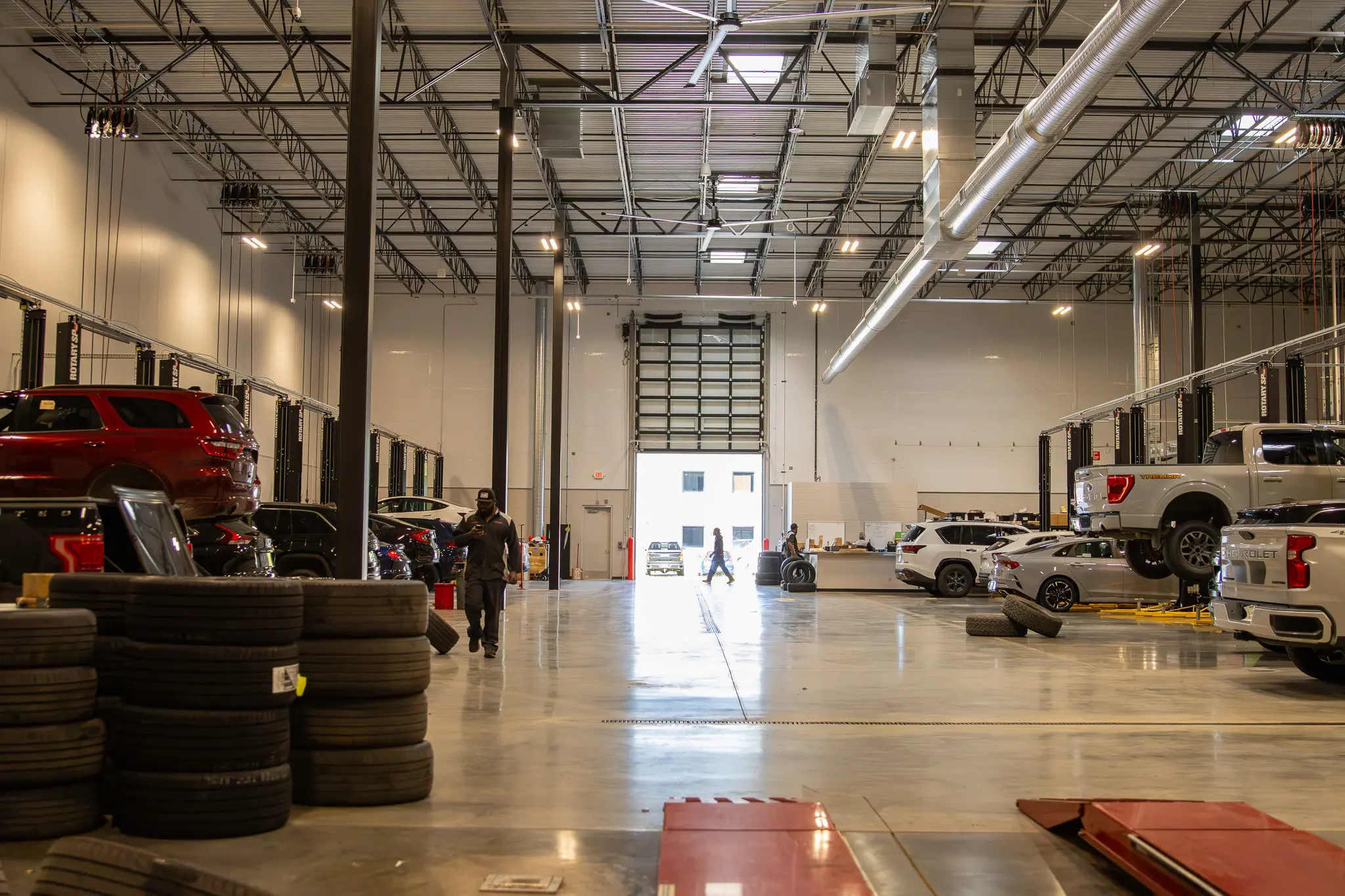
At Clement Supercenter, our team of certified automotive technicians utilizes state-of-the-art diagnostic equipment and high-quality parts to evaluate, service, and repair your vehicle. Whether you need a routine multi-point inspection, brake service, or engine diagnostics, we are committed to providing reliable service you can trust. Contact Clement Supercenter today to schedule your service appointment and keep your vehicle performing at its best.


