
What Happens During a Routine Car Service?
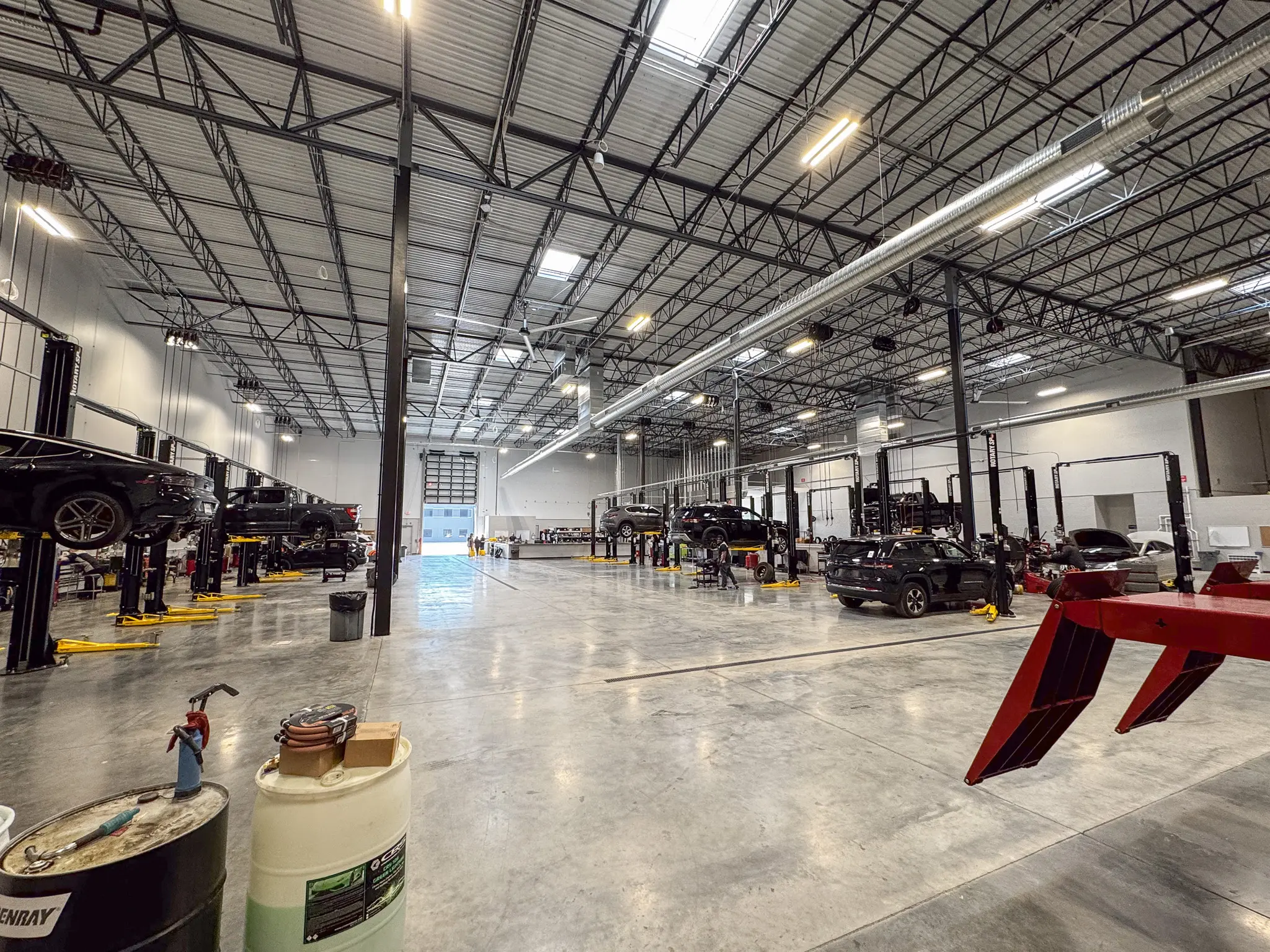
Taking your vehicle in for regular maintenance is one of the single most effective ways to preserve its longevity, performance, and safety. Yet, for many drivers, handing over the keys at a service center can feel like entering a mysterious process. What exactly goes on under the hood when a vehicle is brought in for a routine tune-up?
A routine service is far more than a simple oil swap. It is a comprehensive health check-up designed to prevent unexpected breakdowns, optimize performance, and identify minor wear before it turns into major damage. Understanding what technicians do during a service appointment helps you make informed maintenance decisions for your vehicle.
Essential Fluid Replacements and Top-Offs
Fluids are the lifeblood of your vehicle, protecting internal components from extreme heat, friction, and corrosion. Over time, operational heat and mechanical stress cause these fluids to degrade, lose efficacy, or collect harmful debris.
During a routine service appointment, an engine oil change is typically the first priority. Fresh oil ensures that moving engine parts stay well-lubricated and cooled, while a new oil filter traps harmful particles. Beyond engine oil, technicians check, top off, or replace several other critical fluids. Engine coolant is inspected to protect the block against overheating during summer heat and freezing in winter. Transmission fluid is evaluated to ensure smooth gear changes and manage internal heat within the gearbox. Brake fluid levels and quality are measured to maintain hydraulic pressure for responsive stopping power. Finally, power steering fluid and windshield washer fluid are replenished to keep daily steering effortless and your sightline clear.
Comprehensive Multi-Point Inspection
While fluid maintenance keeps systems lubricated, a thorough multi-point inspection evaluates the overall structural and operational health of your car. Certified technicians follow a detailed evaluation process to assess key safety and performance systems.
The braking system undergoes careful evaluation during this phase. Technicians measure brake pad thickness, check rotor conditions for scoring or warping, and inspect brake lines for potential fluid leaks. Catching thin brake pads early protects expensive rotors from damage and ensures reliable stopping power on the road.
Technicians also inspect the steering and suspension systems to maintain proper handling. Components like shock absorbers, struts, ball joints, and tie rods are checked for excess play or wear. Worn suspension parts can negatively impact overall handling stability, cause uncomfortable ride quality, and accelerate tire wear.
Under the vehicle, technicians inspect the exhaust system for rust, cracks, or leaks that could allow dangerous fumes into the cabin or diminish fuel economy. Additionally, rubber serpentine belts, cooling hoses, and engine air filters are examined for cracking, fraying, or debris blockage.
Battery and Electrical System Testing
Modern vehicles rely heavily on electronic modules, sensors, and computerized safety systems, making a healthy electrical network essential. Battery failure remains one of the most common causes of unexpected roadside breakdowns, especially during seasonal temperature swings.
During routine maintenance, a diagnostic tester measures your battery voltage and cold cranking amps to determine its remaining life span and charging capacity. Technicians clean any corrosive buildup from the battery terminals, verify secure cable connections, and test alternator performance to ensure your charging system reliably powers all onboard electronics, lighting, and safety accessories.
Tire Maintenance, Rotation, and Tread Depth Checks
Tires are the only point of contact between your vehicle and the road, making tire care a crucial component of any service appointment. Proper tire maintenance ensures maximum traction, optimal fuel efficiency, and even tread wear over time.
Technicians inspect tire pressure across all four wheels and adjust inflation to match manufacturer specifications found on the driver door jamb. Tread depth is measured across multiple points to confirm adequate water evacuation and grip during wet driving conditions.
In addition, tires are typically rotated during routine service. Moving front tires to the rear axle and vice versa compensates for uneven weight distribution and front wheel steering forces. This practice allows all four tires to wear down evenly, extending their operational lifespan and saving you money on early tire replacements.
Schedule Your Vehicle Service at Clement Supercenter
Routine car service is an essential investment that pays off in long-term reliability, vehicle resale value, and complete peace of mind behind the wheel. Staying proactive with basic maintenance saves you time and money by preventing major mechanical failures down the line.
At Clement Supercenter, our team of certified automotive technicians utilizes advanced diagnostic tools and high-quality parts to keep your vehicle running in peak condition. Whether you need a standard engine oil change, brake evaluation, battery test, or full multi-point inspection, we are committed to providing transparent, dependable service every time.


