
Signs Your Car Needs New Brake Pads
Your vehicle’s braking system is easily its most critical safety feature. Every time you press down on the brake pedal, a complex hydraulic network forces brake pads against spinning metal rotors, creating the friction necessary to slow down or bring your vehicle to a complete stop. Because brake pads operate in an environment defined by heavy friction and intense heat, they naturally wear down over time.
Driving with worn-out brake pads reduces your stopping power, increases the risk of accidents, and can lead to expensive damage to other braking components like rotors and calipers. Recognizing the early warning signs of brake wear keeps you safe on the road and protects your wallet. Here are the key indicators that your car needs new brake pads.
High-Pitched Squealing or Screeching Sounds
One of the most common early indicators of worn brake pads is a persistent, high-pitched squealing sound when you apply the brakes. Modern brake pads are manufactured with built-in metal wear indicators. These small metal tabs are designed to make contact with the brake rotor once the friction material wears down to a critical level.
If you hear a sharp screeching sound every time you slow down, your brake pads are letting you know that they are reaching the end of their lifespan. While occasional noise can be caused by moisture, rust, or dirt after rain or a car wash, a continuous squeal during normal driving requires prompt inspection by a qualified technician.
Harsh Grinding Noises During Braking
If you ignore the high-pitched squealing noise, the brake friction material will eventually wear away completely. When this happens, you will hear a deep, harsh grinding or metallic growling sound whenever you step on the pedal.
This noise means the bare metal backing plate of the brake pad is grinding directly against the metal rotor. Operating your vehicle in this state causes severe scoring and structural damage to the rotors, transforming a routine pad replacement into a significantly more costly repair. If you hear metallic grinding, you should have your brakes serviced immediately.
Spongy Brake Pedal or Increased Stopping Distance
A healthy braking system provides firm, responsive resistance when you press the pedal. If the pedal feels unusually soft, spongy, or sinks almost to the floorboard before the vehicle begins to slow down, your braking system requires urgent attention.
Spongy pedal feel can be caused by severely worn brake pads, air bubbles trapped in the hydraulic brake lines, or low brake fluid levels due to a leak. Additionally, if you notice that your vehicle takes noticeably longer to come to a complete stop during routine driving, reduced pad thickness may be diminishing the friction needed for efficient stopping power.
Steering Wheel Vibration or Pulsation
When you step on the brake pedal at highway speeds, your vehicle should slow down smoothly. If you feel a distinct vibration, shudder, or pulsation through the steering wheel or the brake pedal itself, your braking surface may be uneven.
Extreme heat generated by thin or worn brake pads can cause uneven friction material transfer across the rotors or lead to warped brake rotors altogether. As the pads press against an uneven rotor surface, the fluctuation creates a rhythmic pulsation. Replacing worn brake pads and resurfacing or replacing damaged rotors will restore smooth, stable braking performance.
Vehicle Pulling to One Side When Braking
If your vehicle pulls toward the left or right when you apply the brakes, your brake system is applying unequal pressure across the front wheels. This issue often points to uneven brake pad wear, where the pads on one side have worn down much faster than the pads on the opposite side.
Uneven wear can stem from sticking caliper pins, frozen brake pistons, or uneven hydraulic pressure. Vehicle pulling compromises your ability to maintain straight-line control during emergency stops, making it a critical safety issue that demands professional diagnostic evaluation.
Schedule Brake Inspection and Repairs at Clement Supercenter
Maintaining healthy brake pads is vital for ensuring your daily safety on the road. You do not need to wait until your vehicle makes harsh grinding sounds to take action. Routine visual inspections and timely maintenance help prevent unexpected mechanical issues and keep your stopping system performing at its best.
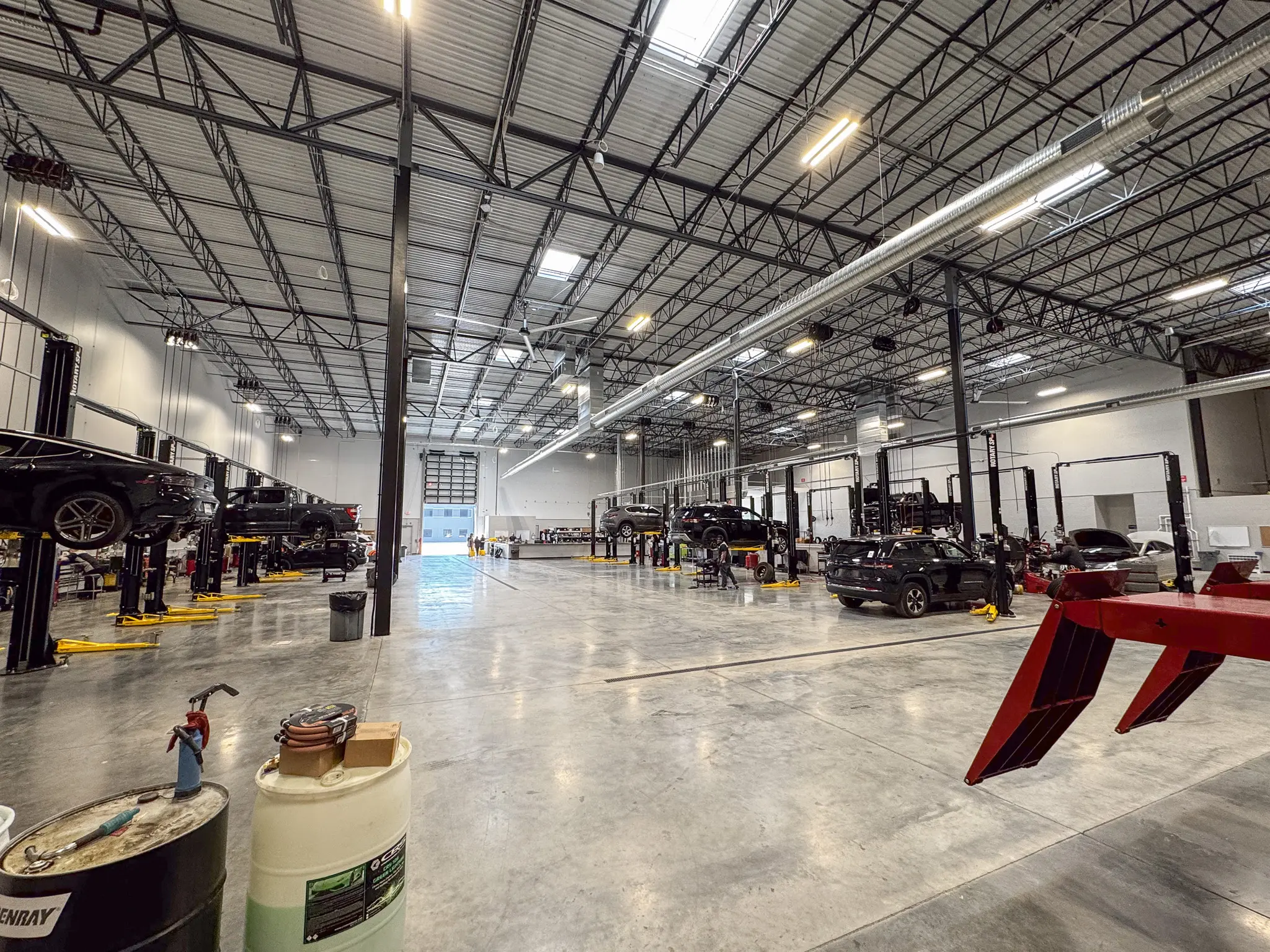
At Clement Supercenter, our certified automotive technicians are trained to diagnose, service, and repair braking systems on all makes and models. We perform thorough multi-point inspections, measure pad thickness, evaluate rotor integrity, and replace worn components using high-quality parts.


