
How to Test Drive a Used Car Before You Buy
Taking a pre-owned vehicle for a test drive is one of the most critical steps in the car buying process. While reviewing online vehicle history reports, photos, and specification sheets gives you valuable background details, nothing replaces the hands-on experience of sitting behind the wheel. A thorough test drive allows you to evaluate how the car performs, inspect its overall condition, and decide if it fits your lifestyle and driving preferences.
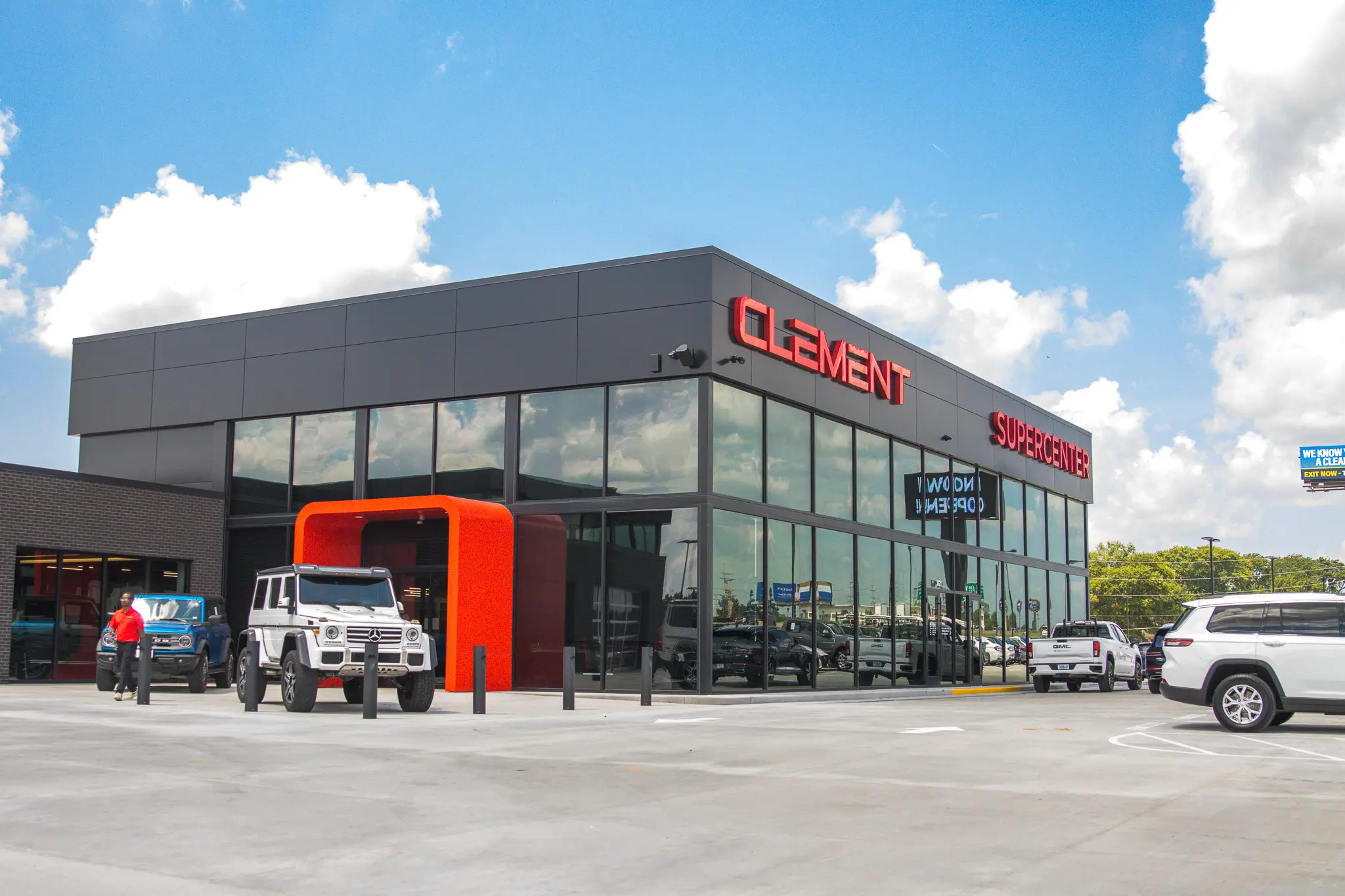
Many buyers make the mistake of treating a test drive like a quick spin around the block. To make an informed decision, you should approach the test drive with a structured plan. Knowing what to look for before, during, and after your drive will help you select a reliable vehicle with total confidence at Clement Supercenter.
Preparing Before You Turn the Ignition
Your test drive experience begins before you even start the engine. Take time to perform a visual and static inspection while the car is parked. Walk around the vehicle to check the exterior body panels for uneven gaps, paint overspray, or signs of rust and denting. Inspect the tires to ensure they have adequate tread depth and even wear across the surface, which indicates proper wheel alignment and suspension health.
Once you step inside the cabin, adjust the driver seat, steering wheel, and side mirrors to find a natural driving position. Pay close attention to headroom, legroom, and visibility through the front windshield and rear mirrors. Test the primary interior controls, including the heating and air conditioning system, power windows, windshield wipers, infotainment screen, and turn signals. Check that all dashboard warning lights illuminate briefly when you turn the key to the accessory position and shut off once the engine starts.
Evaluating Performance on the Road
When you begin driving, try to route your path through a mix of road conditions. Driving on city streets, open highways, and slightly rough pavement gives you a complete picture of how the vehicle handles real-world environments.
First, pay attention to the engine and transmission response. Accelerate smoothly from a complete stop and observe how the engine delivers power. The transmission should shift gears smoothly without slipping, harsh jolts, or hesitations. Listen carefully for unusual engine noises, such as ticking, rattling, or whining sounds during acceleration.
Second, test the braking system in a safe area. Apply gentle, steady pressure to the brake pedal to evaluate stopping power. The pedal should feel firm and responsive rather than spongy or soft. Ensure the car stops in a straight line without pulling to one side, and listen for high-pitched squealing or grinding noises that signal worn brake pads or warped rotors.
Third, assess steering and suspension handling. The steering wheel should feel tight and precise without excessive play. On a straight section of road, check if the vehicle tracks straight or drifts to one side. As you drive over bumps or uneven asphalt, listen for clunking sounds from the suspension, which can indicate worn struts, ball joints, or bushings.
Checking Modern Technology and Driver Aids
Modern vehicles come equipped with advanced safety features and infotainment technology designed to protect you and enhance your daily drive. During your test drive, take time to evaluate these electronic systems.
If the vehicle features active driver-assist technology such as blind-spot monitoring, lane departure warning, or adaptive cruise control, observe how these features communicate alerts. Make sure the backup camera provides a clear image on the center display screen when you shift into reverse. Additionally, pair your smartphone via Bluetooth, Apple CarPlay, or Android Auto to verify that voice commands, navigation, and audio streaming connect without connectivity issues.
Post-Drive Assessment and Final Checklist
After completing your route, park the vehicle and let the engine idle for a few minutes. Check the dashboard once more to ensure no check engine lights or warning symbols appeared during the drive. Take a moment to step outside and check under the car for any fresh fluid leaks.
Reflect on your overall comfort and impression. Consider whether the cabin noise levels were quiet enough for long highway trips, if the seat support remained comfortable throughout the drive, and if the cargo space meets your daily needs. Taking notes immediately after the drive helps you compare different vehicles if you are testing multiple options.
Find Your Next Pre-Owned Vehicle at Clement Supercenter
At Clement Supercenter, we want you to feel completely confident in every vehicle you test drive. We maintain a diverse inventory of high-quality pre-owned cars, trucks, and SUVs that undergo rigorous multi-point inspections by certified technicians before hitting our lot. Our team provides transparent vehicle history reports, clear pricing, and a stress-free environment where you can take your time evaluating every detail.


