
How Much Does It Cost to Charge an Electric Car?
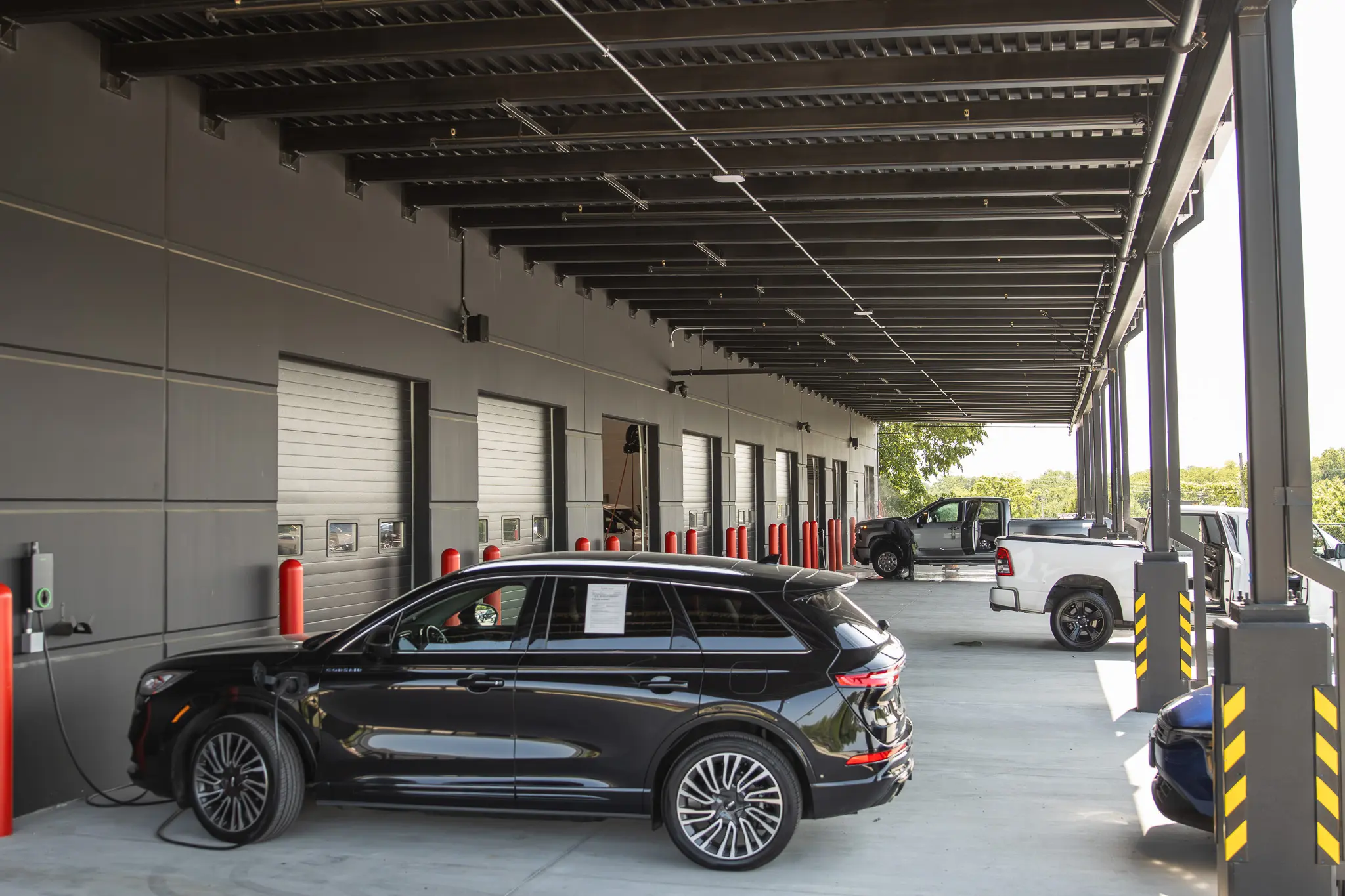
One of the biggest differences between owning an electric vehicle and a traditional gasoline-powered car is how you keep it powered. Instead of regularly visiting a gas station, many electric vehicle owners charge their cars at home, at work, or at public charging stations.
This leads to an important question for anyone considering an EV: How much does it cost to charge an electric car?
There is no single price that applies to every electric vehicle. Charging costs depend on electricity rates, battery capacity, charging location, efficiency, and how much energy the battery needs. Understanding these factors can help you estimate how much you might spend and compare an EV with a gasoline-powered vehicle.
How Is the Cost of Charging an EV Calculated?
Electricity is commonly billed in kilowatt-hours, or kWh. Your electric vehicle's battery capacity is also measured in kilowatt-hours.
You can estimate the cost of a full charge by multiplying the usable battery capacity by the electricity rate you pay per kWh.
For example, imagine an electric car has a 70-kWh battery and your electricity costs $0.15 per kWh. Charging from empty to full would theoretically cost about $10.50.
In everyday driving, however, most EV owners do not regularly drain the battery completely before charging. You might plug in when the battery reaches 30 or 40 percent and charge it back to your desired level.
There are also some energy losses during charging, so the amount of electricity drawn from the outlet may be somewhat higher than the amount ultimately stored in the battery.
How Much Does Home EV Charging Cost?
Home charging can be one of the most convenient ways to own an electric vehicle.
Your actual cost depends primarily on your local residential electricity rate and the efficiency of your EV. Electricity prices vary considerably by state, utility provider, and sometimes even the time of day.
If your utility offers time-of-use pricing, electricity may cost less during certain off-peak hours. Charging overnight during these periods could potentially reduce your costs.
To estimate your monthly charging expense, consider how many miles you typically drive and how efficiently your EV uses electricity.
For example, if your EV uses approximately 30 kWh to travel 100 miles and you drive 1,000 miles per month, you would need roughly 300 kWh of energy for driving before accounting for charging losses. At $0.15 per kWh, that would equal approximately $45 in electricity.
Level 1 vs. Level 2 Home Charging
The type of home charger primarily affects charging speed rather than the amount of energy your battery requires.
Level 1 charging typically uses a standard household outlet. It is relatively slow but may work for drivers with short daily commutes or vehicles that spend long periods parked at home.
Level 2 charging uses a higher-powered electrical connection and can charge an EV considerably faster. Many EV owners install Level 2 equipment at home for greater convenience.
While the electricity used to charge the battery may cost roughly the same at a given utility rate, installing Level 2 charging equipment can involve additional upfront expenses. The total cost depends on the charger, your home's electrical system, installation requirements, and local labor rates.
How Much Does Public EV Charging Cost?
Public charging prices can vary much more than residential electricity rates.
Some public chargers may be available at no cost to customers, employees, residents, or visitors. Others charge by the kilowatt-hour, by time, through a session fee, or using another pricing structure.
Prices can also vary by charging network and location.
Because of these differences, it is a good idea to check the price shown by the charging provider before starting a session.
Public charging can be particularly useful during road trips or for drivers who cannot charge at home.
Is DC Fast Charging More Expensive?
DC fast chargers can add a substantial amount of range in a relatively short period, making them valuable during longer trips.
This convenience may come at a higher price compared with charging at home.
Fast charging stations require powerful equipment and significant electrical infrastructure. Providers may charge higher rates to help cover these costs.
If you rely almost exclusively on public fast charging, your EV charging expenses could look very different from those of someone who does most charging at home.
When comparing EV ownership costs, think about where you realistically expect to charge most often.
Does Battery Size Affect Charging Cost?
Yes. A larger battery generally requires more electricity to charge than a smaller battery when both need the same percentage increase.
Suppose one EV has a 50-kWh battery while another has a 100-kWh battery. At the same electricity rate, fully charging the larger battery would generally require more energy and therefore cost more.
However, battery size does not tell the entire story.
Vehicle efficiency matters too. A smaller, aerodynamic EV may travel farther on each kWh than a large electric truck or SUV. Two vehicles with similar battery capacities can therefore have different operating costs.
When comparing EVs, look at both battery capacity and energy consumption.
How Does EV Charging Compare With Buying Gas?
Whether an EV costs less to power than a gasoline vehicle depends on electricity rates, gas prices, and vehicle efficiency.
You can make a basic comparison by estimating the cost to drive each vehicle 100 miles.
If an EV consumes 30 kWh per 100 miles and electricity costs $0.15 per kWh, those 100 miles would require about $4.50 in electricity before accounting for charging losses.
A gasoline vehicle getting 25 MPG would need four gallons to travel 100 miles. At $3.25 per gallon, that trip would cost approximately $13 in gasoline.
These are simplified examples. Real costs change with local energy prices and driving conditions, but calculating cost per mile can provide a useful comparison.
What Else Affects Your EV Charging Costs?
Temperature, driving speed, terrain, climate control, towing, and cargo can influence how much energy an EV consumes.
Cold weather can reduce driving range and increase energy use, particularly when the battery and cabin need heating. High speeds can also increase energy consumption because of greater aerodynamic resistance.
Your driving style matters as well. Smooth acceleration and efficient use of regenerative braking can help reduce energy consumption.
Just like MPG in a gasoline vehicle, the efficiency displayed for an EV can change from trip to trip.
Is an Electric Vehicle Right for You?
Charging cost is an important consideration, but it is only one part of deciding whether an EV fits your lifestyle.
Think about your daily mileage, access to home or workplace charging, typical road trips, local electricity rates, available public charging infrastructure, and the range of the vehicles you are considering.
You should also compare purchase price, insurance, financing, maintenance, and other ownership expenses.
For some drivers, convenient home charging and lower energy costs can make an EV particularly appealing. Others may find that a hybrid or efficient gasoline vehicle better fits their current driving needs.
Explore Your Vehicle Options at Clement Supercenter
The cost to charge an electric car depends largely on where you charge, how much electricity costs, the size and efficiency of the vehicle's battery, and how far you drive. Home charging can make EV ownership convenient, while public and fast-charging stations provide additional flexibility when you are away from home.
If you are considering a different vehicle, Clement Supercenter can help you compare options based on the factors that matter most to you. From traditional gasoline-powered vehicles to efficient alternatives, understanding operating costs can help you make a more informed choice.
Explore the available inventory at Clement Supercenter and compare vehicles based on price, efficiency, features, capability, and your everyday driving needs.


