
Essential Car Maintenance Every Driver Should Know
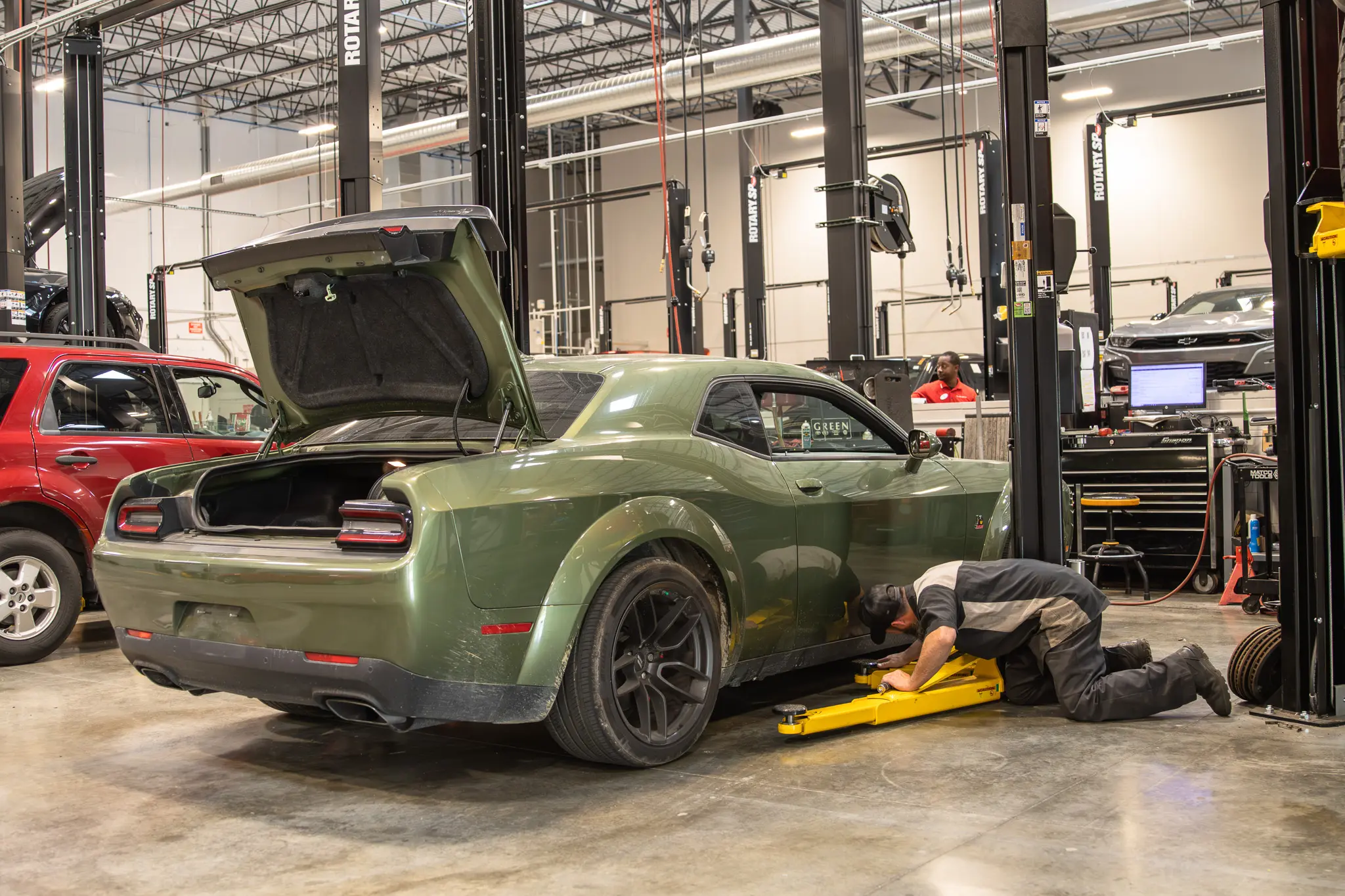
Owning a car comes with more responsibility than filling the tank and keeping the exterior clean. Regular maintenance plays an important role in keeping your vehicle dependable, efficient, and ready for everyday driving.
Fortunately, you do not need to be an automotive expert to understand the basics. Knowing which parts of your vehicle need regular attention can help you recognize potential problems earlier and stay on top of your manufacturer's recommended maintenance schedule.
Whether you recently purchased your first vehicle or have been driving for years, here are some essential car maintenance basics every driver should know.
Follow Your Vehicle's Maintenance Schedule
One of the easiest ways to take better care of your car is to become familiar with the owner's manual.
Vehicle manufacturers provide recommended maintenance schedules covering services such as oil changes, filters, fluids, spark plugs, and other components. The correct intervals can vary significantly between vehicles.
Instead of automatically following a generic maintenance schedule, use your manufacturer's recommendations as your starting point.
Your driving conditions may also affect how frequently certain services are needed. Frequent short trips, heavy traffic, towing, extreme temperatures, and dusty environments can sometimes require additional attention.
Check and Change Your Engine Oil
Engine oil lubricates moving components inside your engine and helps reduce friction and heat. Over time, oil becomes contaminated and eventually needs to be replaced.
How often should you change your oil? There is no single interval for every vehicle.
Many modern cars can travel farther between oil changes than older vehicles, particularly when using synthetic oil. The correct interval depends on the vehicle, engine, oil type, and driving conditions.
Check your owner's manual and pay attention to your vehicle's oil life monitoring system if equipped.
It is also a good idea to check the oil level periodically. If you notice that your vehicle is consistently losing oil, have it inspected to determine the cause.
Keep an Eye on Tire Pressure
Your tires are your vehicle's connection to the road, making tire maintenance an important part of vehicle ownership.
Check tire pressure regularly, especially before long road trips or when temperatures change significantly.
The recommended tire pressure is usually listed on a sticker inside the driver's door area or in the owner's manual. The number printed on the tire sidewall represents different information and should not automatically be used as your inflation target.
Incorrect tire pressure can contribute to uneven tire wear and may affect fuel economy, handling, and tire performance.
While checking pressure, inspect your tires for cuts, cracks, bulges, punctures, or unusual tread wear.
Rotate Your Tires Regularly
Your tires may not wear evenly because each position on your vehicle experiences different forces.
Regular tire rotation helps distribute wear across the tires and may help extend their usable life. For many vehicles, tire rotations are recommended approximately every 5,000 to 8,000 miles, although the correct interval varies.
Your vehicle's drivetrain and tire configuration also determine the appropriate rotation pattern.
Some vehicles use directional tires or different tire sizes on the front and rear, which can limit how the tires can be rotated. Follow the manufacturer's recommendations for your specific setup.
Pay Attention to Your Brakes
Your braking system deserves attention even when everything appears to be working normally.
Brake pads and other braking components wear over time. How quickly they wear depends on your vehicle, driving habits, road conditions, and the type of driving you regularly do.
Stop-and-go city traffic, for example, can put more frequent demands on your brakes than long stretches of highway driving.
Pay attention to changes in braking performance. Squealing, grinding, vibration, a soft brake pedal, or increased stopping distance can indicate that your braking system needs to be inspected.
Do not ignore a brake warning light on the dashboard.
Check Your Vehicle's Fluids
Engine oil is not the only fluid your vehicle depends on.
Depending on the vehicle, important fluids may include coolant, brake fluid, transmission fluid, power steering fluid, and windshield washer fluid.
Each serves a different purpose. Coolant helps regulate engine temperature, brake fluid supports hydraulic braking operation, and transmission fluid can provide lubrication and other functions within the transmission.
Some modern vehicles use sealed systems that are not designed for frequent owner servicing. Always consult the owner's manual before attempting to check or add fluids yourself.
If you notice fluid underneath your parked vehicle, especially if it appears repeatedly, consider having the vehicle inspected.
Take Care of Your Car Battery
A weak battery can leave you with a car that will not start, often when it is least convenient.
Battery lifespan varies based on climate, driving habits, battery type, vehicle electronics, and other factors. Rather than waiting for complete failure, pay attention to possible warning signs.
Slow engine cranking, dim lights, electrical problems, or repeated difficulty starting can indicate a battery or charging system issue.
You can also visually inspect the battery area for corrosion or obvious damage. If you are unsure about its condition, battery testing can provide more information.
Replace Filters When Needed
Your vehicle uses several filters to prevent contaminants from entering important systems.
The engine air filter helps keep dirt and debris out of the engine's intake system. A cabin air filter helps filter air entering the passenger compartment through the heating and air conditioning system.
A dirty engine air filter may restrict airflow, while a clogged cabin filter can reduce airflow through the vents.
Replacement intervals vary, so check your maintenance schedule rather than assuming every filter needs to be changed at the same time.
Don't Ignore Dashboard Warning Lights
Modern vehicles monitor numerous systems and can alert you when something needs attention.
Some dashboard lights are simple reminders, while others indicate a potential problem that should be investigated.
For example, a check engine light can appear for many reasons ranging from relatively minor issues to problems that require prompt repair.
A flashing warning light or red warning indicator may represent a more urgent concern. Consult your owner's manual to understand what the specific symbol means.
Ignoring warning lights can allow a manageable issue to develop into a more serious problem.
Check Your Lights and Wipers
Some of the simplest maintenance items are also among the easiest to overlook.
Periodically check your headlights, brake lights, turn signals, taillights, and hazard lights. Proper lighting helps you see the road and makes your vehicle more visible to other drivers.
Windshield wipers should also be replaced when they begin streaking, skipping, or leaving areas of the windshield unclear.
Good visibility becomes particularly important during heavy rain, snow, or nighttime driving.
Listen to What Your Vehicle Is Telling You
You drive your vehicle regularly, so you may be the first person to notice when something changes.
Pay attention to new noises, smells, vibrations, leaks, changes in steering, unusual braking behavior, or differences in acceleration.
Not every unusual sound means a major repair is coming, but persistent changes are worth investigating.
Addressing problems earlier may prevent additional damage and can give you more time to plan for necessary repairs.
Make Car Maintenance Part of Vehicle Ownership
Essential car maintenance does not have to be complicated. Checking your tires, following oil change recommendations, monitoring fluids, paying attention to brakes, and responding to warning lights can go a long way toward keeping your vehicle in good condition.
The most important thing is consistency. Follow your manufacturer's maintenance schedule and address unusual changes rather than waiting for a component to fail completely.
If your current vehicle is requiring more attention than fits your needs, Clement Supercenter offers a wide selection of cars, trucks, and SUVs to consider. Comparing vehicle condition, mileage, features, efficiency, and ownership needs can help you decide when it makes sense to move into something different.
Whether you are taking care of your current car or searching for your next one, good maintenance habits can help you stay prepared for the road ahead.


