
Does Driving Faster Use More Gas?
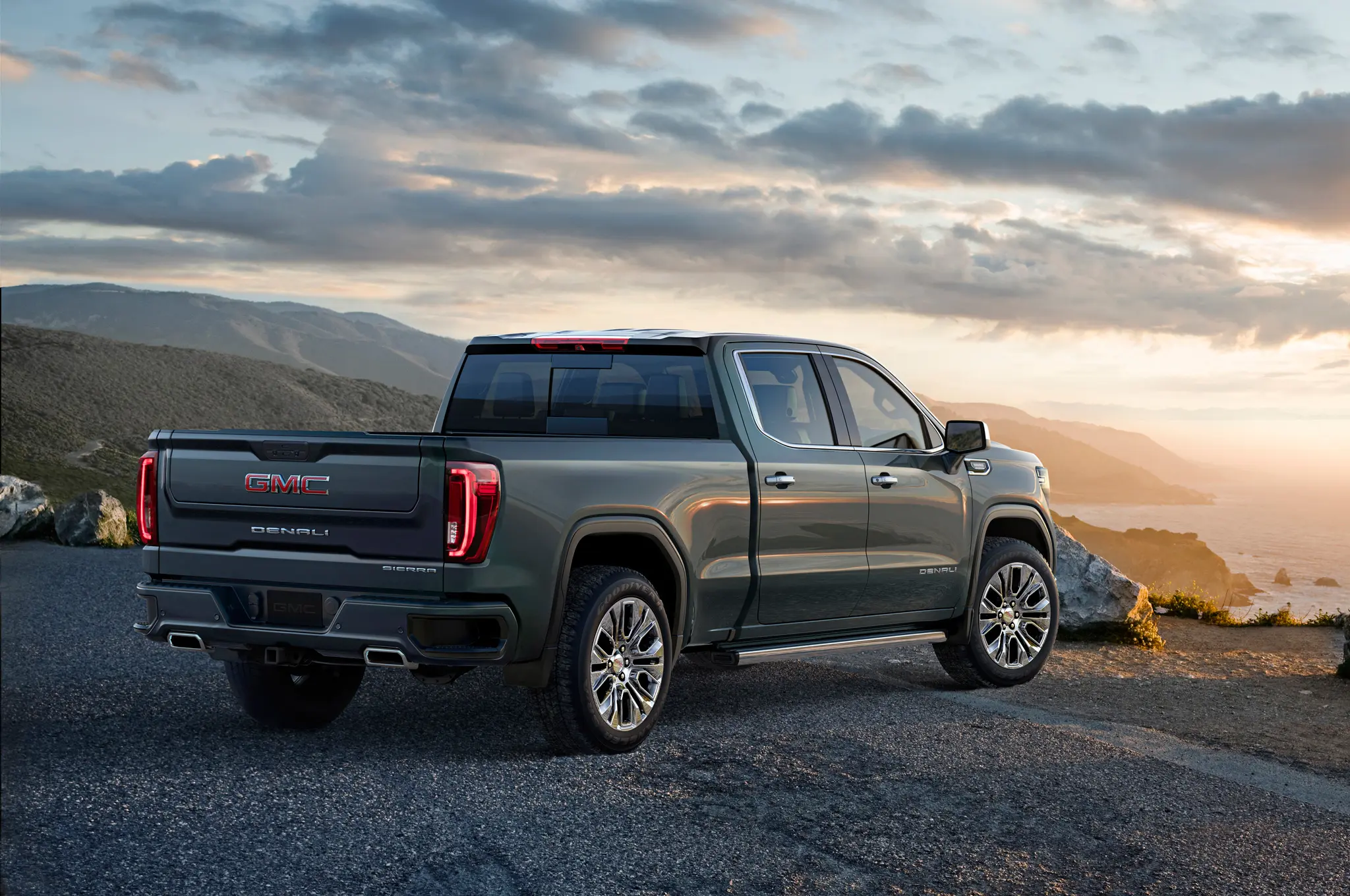
When you are running late or have a long stretch of highway ahead, driving a little faster might seem like an easy way to save time. But there is another factor to consider: fuel consumption. Your speed can have a noticeable effect on how efficiently your vehicle uses gas.
So, does driving faster use more gas? In most cases, yes. As your speed increases, your vehicle has to work harder to overcome aerodynamic drag and other forces. This can cause fuel economy to decline, particularly at higher highway speeds.
Speed is not the only factor that determines how much fuel your car uses. Vehicle design, engine size, weather, traffic, tire pressure, and driving habits all play a role. Understanding the relationship between speed and fuel economy can help you make more efficient choices behind the wheel.
Why Does Driving Faster Use More Fuel?
Your engine needs energy to move your vehicle forward. As you accelerate, the engine burns fuel to generate that energy.
Once you reach highway speeds, aerodynamic drag becomes increasingly important. Air pushes against the front and other surfaces of the vehicle as it moves. The faster you travel, the greater this resistance becomes.
Your engine has to produce additional power to maintain higher speeds against that resistance. Producing more power generally requires more fuel.
This is why increasing your highway speed can reduce your MPG even though you are covering more miles in less time.
What Is the Most Fuel-Efficient Driving Speed?
There is no single speed that delivers the best fuel economy for every vehicle.
Engine design, transmission gearing, aerodynamics, vehicle weight, tire type, and other factors determine where a particular car operates most efficiently.
According to the U.S. Department of Energy, fuel economy generally decreases rapidly at speeds above 50 mph. The exact impact varies by vehicle, but higher speeds typically mean increased fuel consumption.
That does not mean you should drive unusually slowly to save gas. Driving significantly below surrounding traffic can create safety concerns.
Always follow posted speed limits and adjust your speed based on traffic, road, and weather conditions.
Is Highway Driving More Fuel-Efficient?
Many gasoline-powered vehicles receive higher EPA highway fuel economy ratings than city ratings, even though highway driving usually involves higher speeds.
The reason is that city driving involves frequent stopping and starting.
Every time you accelerate from a stop, your engine must use energy to bring the vehicle back up to speed. Stoplights, traffic congestion, intersections, and repeated braking can increase fuel consumption.
On the highway, a vehicle may maintain a relatively steady speed for long periods. That can be more efficient than constantly accelerating and braking.
However, there is a point where additional speed begins working against that advantage. Driving substantially faster increases aerodynamic resistance and can reduce highway fuel economy.
Rapid Acceleration Can Hurt Gas Mileage
Speed itself is only part of the equation. How you reach that speed also matters.
Pressing aggressively on the accelerator asks the engine to deliver more power quickly, which can increase fuel consumption. Repeated hard acceleration followed by heavy braking wastes energy that could have been conserved with smoother driving.
When traffic conditions allow, accelerate gradually and maintain a consistent speed.
Looking farther ahead can also help. If you see traffic slowing or a red light ahead, easing off the accelerator earlier may reduce the need for hard braking.
Small changes in driving style can add up, particularly if you spend a lot of time commuting.
Does Cruise Control Save Gas?
Cruise control can sometimes help improve fuel efficiency by maintaining a consistent speed, particularly on relatively flat highways.
Without cruise control, drivers may unintentionally speed up and slow down repeatedly. These fluctuations can require additional acceleration and fuel.
However, cruise control is not always the most efficient choice.
On steep or rolling terrain, the system may accelerate aggressively to maintain the selected speed while climbing hills. Depending on the vehicle and road, controlling your speed manually may sometimes be more efficient.
More importantly, only use cruise control when road and weather conditions make it safe to do so.
Does Vehicle Type Make a Difference?
Yes. The effect of higher speeds can vary depending on what you drive.
Aerodynamics play a major role in highway efficiency. A low, streamlined car generally moves through the air differently than a tall, box-shaped vehicle.
Large trucks and SUVs may experience more aerodynamic drag because of their size and shape. Vehicle weight, tires, drivetrain, engine, and transmission also influence fuel consumption.
Hybrids can behave differently as well. Many hybrids achieve particularly strong fuel economy in city conditions because regenerative braking can recover some energy during deceleration and their electric motors can assist during lower-speed driving.
This is why you should compare fuel economy based on your specific vehicle rather than assuming every car will respond to driving conditions in the same way.
Other Driving Habits That Can Increase Fuel Consumption
Driving too fast is not the only habit that can send you to the gas station more often.
Excessive idling burns fuel without moving the vehicle. Carrying unnecessary heavy items can also increase the amount of energy required to accelerate.
Roof-mounted cargo boxes and racks can increase aerodynamic drag, particularly at highway speeds.
Even vehicle maintenance matters. Underinflated tires can increase rolling resistance, while certain mechanical problems can cause the engine to operate less efficiently.
If your MPG has suddenly dropped without a significant change in your driving habits, it may be worth checking your tire pressure and considering whether your vehicle needs an inspection.
How Can You Get Better Gas Mileage?
Improving fuel economy does not require driving as slowly as possible.
Instead, focus on smooth and consistent driving. Avoid unnecessary rapid acceleration, anticipate traffic changes, and follow posted speed limits. Keeping your tires properly inflated and staying current with recommended maintenance can also support efficient vehicle operation.
If you track your MPG regularly, you may begin to notice which driving habits and routes produce the best results.
Keep in mind that weather, traffic, fuel formulation, road conditions, and even how much cargo you are carrying can cause fuel economy to change from one trip to another.
Find a Fuel-Efficient Vehicle at Clement Supercenter
Driving faster can use more gas, particularly as speeds rise and aerodynamic drag increases. While highway driving can be more efficient than stop-and-go city traffic, consistently traveling at higher speeds can reduce some of that advantage.
Your driving style matters too. Maintaining reasonable speeds, accelerating smoothly, limiting unnecessary idling, and keeping your vehicle properly maintained can all help you make better use of each tank of gas.
If fuel economy has become a priority for your next vehicle, Clement Supercenter offers a variety of cars, trucks, and SUVs to consider. Comparing MPG ratings, engine options, vehicle size, and features can help you choose a vehicle that fits both your driving needs and budget.
Whether you want an efficient commuter car, a versatile SUV, or a truck that provides the capability you need, Clement Supercenter can help you explore your options and find the right vehicle for the road ahead.


